





China's 2025 Policy Pivot: Decoding the "Incremental" Stimulus and Strategic Investment Shifts for Global Business
This article contains AI assisted creative content
Senior Chinese economic officials have outlined a clear policy pivot for 2025, signaling a phase of proactive, targeted stimulus designed to stabilize growth and address specific structural weaknesses. The announcements, centered on "incremental" support, highlight a calibrated approach that prioritizes strategic sectors and aims to rebuild private sector confidence. For global investors and corporate strategists, the roadmap suggests a defined set of opportunities and risks in the year ahead.
The defining signal is the commitment to move beyond existing measures. Han Wenxiu of the Central Financial and Economic Affairs Commission explicitly stated that authorities will "introduce and implement incremental policies based on the evolving situation." This marks a shift from a reactive to a more pre-emptive stance, aimed at smoothing volatility. The overarching goal is "strengthening counter-cyclical and cross-cyclical adjustments," indicating a focus on both immediate support and longer-term restructuring. This reduces the likelihood of a sharp growth deceleration but does not signal a return to blanket, credit-fueled stimulus.
TWO
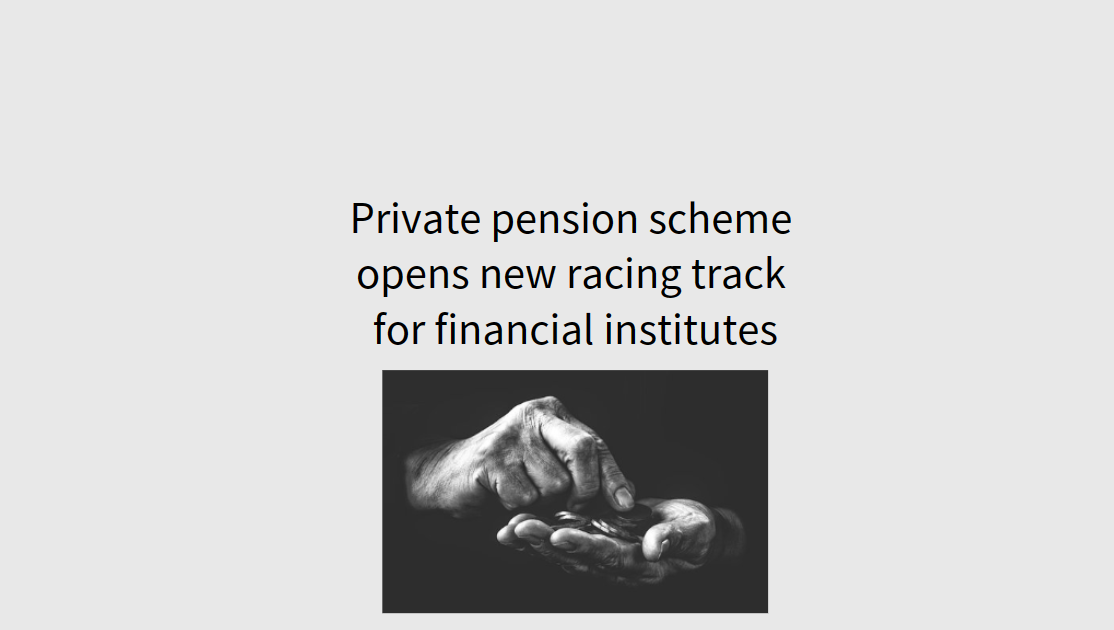
The fiscal stance will remain "more proactive," with spending directed toward "national major strategies" and "investing in people." In practice, this means sustained public investment in technology self-reliance, green transition, and advanced manufacturing, alongside social welfare spending like higher basic pensions. A critical parallel objective is to "enhance local fiscal autonomy" and "ensure grassroots funding," addressing a key systemic vulnerability. The National Development and Reform Commission (NDRC) added concrete weight by pledging to "moderately increase central budget investment" to help "halt the decline and stabilize investment." For international businesses, this translates to steady demand in priority industrial sectors and potential improvements in the financial health and payment reliability of local government partners.
THREE
Monetary policy will stay "appropriately accommodative," with tools like RRR and interest rate cuts held in reserve to maintain "ample liquidity" and low financing costs. The more significant nuance is the intensified focus on improving "monetary policy transmission." Authorities aim to ensure this liquidity specifically flows into five designated channels: tech finance, green finance, inclusive finance, pension finance, and digital finance. This targeted credit guidance aims to boost productivity and new growth drivers without overheating traditional sectors. The corollary is a commitment to keep the RMB "basically stable," a key signal for managing currency risk amidst potential policy divergence with major Western economies.
FOUR
The 2025 agenda squarely targets two weak spots: weak private investment and cautious consumer spending. To unlock consumption, policies will combine direct income support (urban-rural income plans, higher pensions) with supply-side reforms, notably by "clearing unreasonable restrictive measures" in the service sector. This could open significant avenues in healthcare, education, and leisure for foreign firms. To stabilize investment, the NDRC will leverage all government funding tools while "effectively stimulating private investment vitality." This suggests potential regulatory and market-access improvements to attract long-term capital into projects aligned with national strategic goals. As noted by top-performing fund manager Liu Yuanhai of Soochow Fund, such policy tailwinds may present selective entry points in sectors like technology, despite recent market volatility.




























First, please LoginComment After ~