





Asia at a Turning Point: IMF Conference Signals a New Economic Playbook for 2050
As global economic power gradually tilts eastward, policymakers and economists gathered this week to confront a defining question for the coming decades: what will drive Asia's next phase of growth?
At the International Monetary Fund's “Asia in 2050” conference, held in Bangkok ahead of the IMF–World Bank Annual Meetings scheduled there later this year, officials from central banks, international institutions, academia and industry explored how the region can sustain momentum in an era marked by demographic shifts, technological disruption and a more fragmented global economy.
For much of the past three decades, Asia's rise was powered by a familiar formula: expanding labor forces, export-driven manufacturing and deepening integration into global trade. That model delivered extraordinary gains. Today, however, many of those structural advantages are fading.
Japan and South Korea are already among the world's most rapidly ageing societies. China's working-age population has begun to decline. Meanwhile, global supply chains are being reshaped by geopolitics, industrial policy and technological competition.
Against this backdrop, the IMF conference sought to map out the next economic playbook for Asia—one that leans less on demographic expansion and more on productivity, innovation and regional cooperation.
From Demographic Dividend to Productivity Race
A central theme running through the discussions was the region’s transition from demographic growth to productivity-driven expansion.
In earlier decades, Asia benefited from large pools of relatively inexpensive labor migrating from agriculture to manufacturing. That transition fueled export competitiveness and helped transform several economies into industrial powerhouses.
But with populations ageing and labor-force growth slowing, policymakers increasingly view technology adoption, human capital development and industrial upgrading as the primary engines of future prosperity.
Artificial intelligence emerged as one of the most consequential forces shaping that transformation.
Speakers at the conference highlighted the potential for AI and automation to significantly boost productivity across sectors ranging from manufacturing and logistics to finance and healthcare. At the same time, they cautioned that technological disruption could widen inequality if the benefits of innovation are unevenly distributed.
AI, Industry and the Next Productivity Wave
The role of artificial intelligence in reshaping Asia’s economic structure featured prominently in the policy debates.
AI is already beginning to alter the foundations of production, enabling advanced manufacturing, intelligent logistics systems and new forms of digital services. For many Asian economies—particularly those with strong manufacturing bases—the integration of AI into industrial processes could determine their competitiveness in the decades ahead.
Participants emphasized that the next phase of growth will likely come not only from technological breakthroughs themselves, but from the scale and speed with which those technologies are deployed across entire industries.
For governments, that raises a complex policy challenge: encouraging innovation while ensuring that technological progress translates into broad-based economic gains.
Trade Fragmentation and Regional Integration
Another major theme of the conference was the evolving landscape of global trade.
The era of hyper-globalization that helped fuel Asia’s export boom is giving way to a more fragmented system shaped by strategic competition, supply-chain diversification and industrial policy.
These shifts could pose risks for export-oriented economies that remain heavily reliant on global markets. Yet they also underscore the importance of deeper regional economic integration within Asia itself.
Stronger regional trade ties, more integrated financial systems and expanded cross-border investment could help cushion the impact of external shocks while creating new sources of growth.
For many analysts, Asia’s future economic resilience will depend on its ability to balance global engagement with stronger regional cooperation.
China’s Economic Transition and Regional Implications
China’s economic transformation inevitably loomed large in the discussions.
As the region’s largest economy shifts toward a model driven more by technology, advanced manufacturing and domestic consumption, the implications extend far beyond its borders.
Officials noted that China’s structural transition—combined with its rapid development in areas such as artificial intelligence and digital infrastructure—will shape the broader trajectory of Asia’s economic evolution.
At the conference, policymakers highlighted the importance of financial stability, capital flow management and cross-border policy coordination in maintaining economic resilience as the region navigates these changes.
Climate, Technology and the Next Industrial Era
Beyond demographics and technology, the conference also addressed emerging forces that could redefine Asia’s development path over the coming decades.
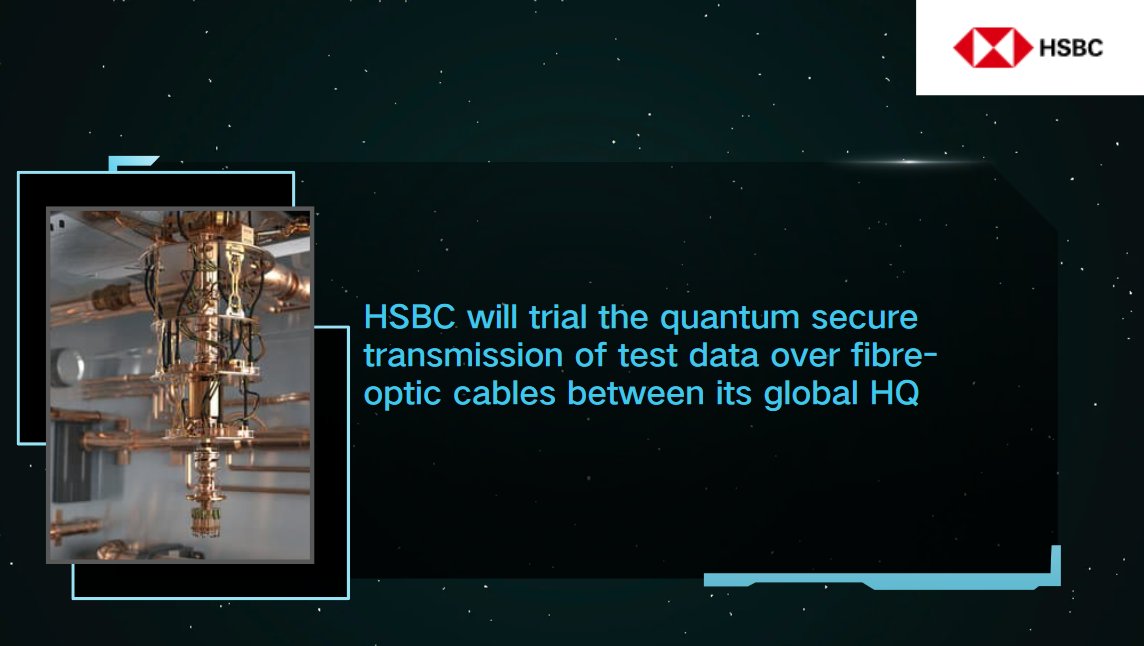
Climate transition, energy transformation and the rise of new strategic industries—from quantum technology to next-generation telecommunications—are expected to reshape global competition.
For Asia, the challenge will be aligning industrial policy, innovation ecosystems and financial systems to support these new sectors while maintaining sustainable growth.
Asia’s Next Chapter
Despite the uncertainties, the underlying message from the conference was clear: Asia will remain central to the global economy.
The region accounts for roughly 60 percent of the world’s population and continues to be one of the most dynamic engines of economic expansion.
Yet the drivers of that expansion are evolving. The next chapter of Asia’s rise is likely to depend less on the demographic advantages and trade conditions that defined the past, and more on innovation, productivity and strategic policy coordination.
If the last half-century established Asia as the world’s manufacturing hub, the coming decades may determine whether it can also become the epicenter of the global knowledge economy.
For policymakers, investors and businesses alike, the question is no longer whether Asia will shape the future of the global economy—but how it will reinvent itself to do so.


































First, please LoginComment After ~