





China–ASEAN Trade Surpasses USD 1 Trillion, New Growth Drivers Take Shape
This article contains AI assisted creative content
China–ASEAN trade exceeded USD 1 trillion in 2025, according to data released by China’s General Administration of Customs, marking a new milestone for one of the world’s most significant regional trading relationships. As trade volumes reach new highs amid a complex global environment, analysts point to structural factors that continue to underpin bilateral growth.
Hu Zhiyong, a researcher at the Shanghai Academy of Social Sciences, noted that many Chinese exports to ASEAN markets remain difficult to substitute, supporting continued trade expansion. He added that trade imbalances are likely to ease gradually as cooperation deepens. Lei Xiaohua, Deputy Director at the Guangxi Academy of Social Sciences’ Southeast Asia Research Institute, emphasized that industrial upgrading and Chinese investment are helping improve production capacity and export quality in ASEAN economies, contributing to a more balanced trade structure.
Xu Ningning, Chairman of the RCEP Industry Cooperation Committee and a long-time China–ASEAN business expert, highlighted the strong economic complementarity between the two sides. He pointed out that the China–ASEAN Free Trade Area (FTA) 3.0 is expected to advance supply-chain connectivity and regulatory alignment. Small and medium-sized enterprises account for roughly 90% of bilateral participants, and the dedicated SME chapter in the upgraded FTA is expected to enhance their participation and resilience.
Lei further observed that post-trillion-dollar trade growth will be supported by the broader eastward shift of the global economic center. Southeast Asia’s expanding infrastructure investment, consumption, and industrial demand align closely with China’s manufacturing capacity.
Several experts identified artificial intelligence as an emerging driver of cooperation. Hu noted that AI could accelerate digital infrastructure integration, cross-border logistics, and payments, while fostering differentiated industrial collaboration in areas such as smart manufacturing and modern agriculture. Lei added that AI-related trade is likely to expand across computing power, data services, models, and downstream applications, with future growth areas potentially including AI applications, embodied robotics, and innovative pharmaceuticals.
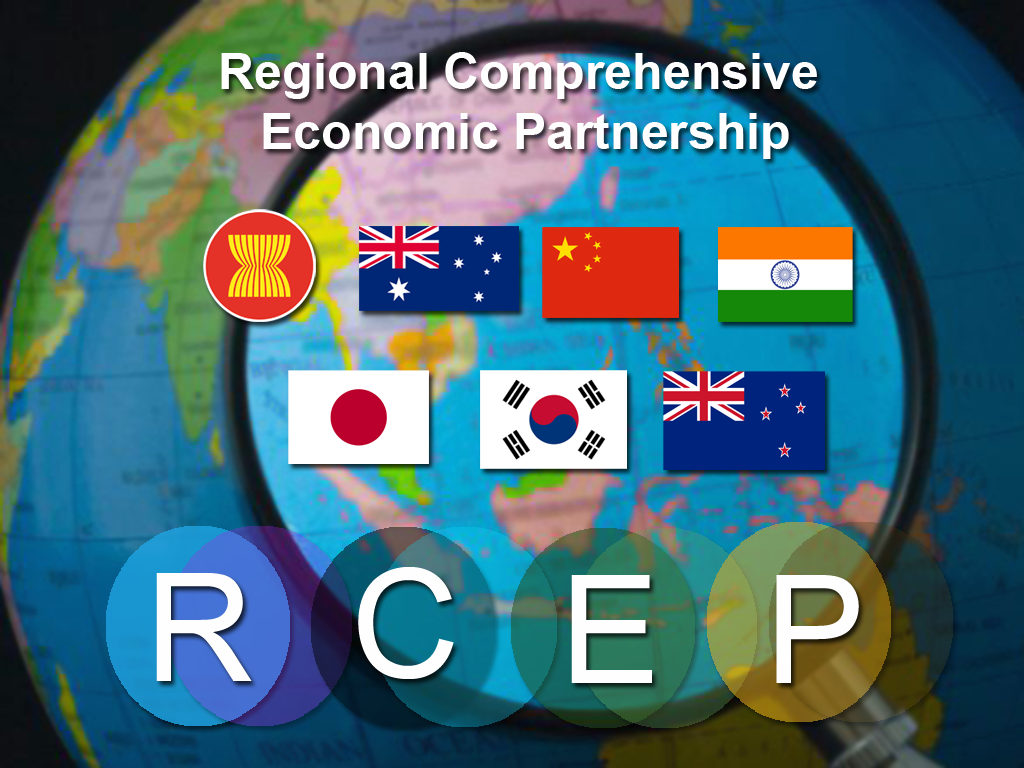
Xu emphasized that the continued implementation of the Regional Comprehensive Economic Partnership (RCEP) has already delivered measurable benefits, and that its interaction with the China–ASEAN FTA 3.0 could further enhance institutional efficiency.
Despite external trade disruptions, analysts broadly agree that the depth of demand, supply-chain integration, and evolving institutional frameworks provides stability for China–ASEAN economic relations in the years ahead.



































First, please LoginComment After ~