





Japan's Finance Minister Redraws the Fiscal Rulebook as the Era of Near-Zero Borrowing Costs Ends
This article contains AI assisted creative content
Japan is embarking on its most ambitious budget overhaul in more than seven decades, Finance Minister Satsuki Katayama said on Monday, a recognition that the fiscal framework which sustained the world's most indebted advanced economy through decades of low inflation and cheap funding no longer fits the economic reality.
"As for budget system reform, this is clearly the biggest overhaul since the end of the war," Katayama said. "That's the level of commitment we're bringing to it." While the minister's reference point was historical, the drivers she cited are immediate: persistent inflation, rising energy costs, and a monetary policy cycle that is raising the price of government borrowing.
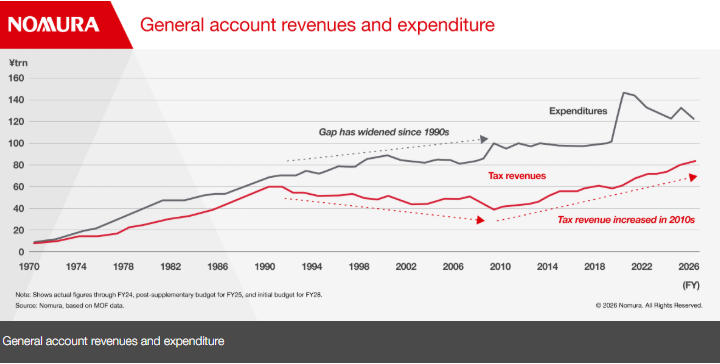
The arithmetic behind the reform is straightforward. Japan's gross public debt exceeds 250% of GDP. For years, that debt was serviceable because the Bank of Japan's ultra-loose policy — negative rates, yield curve control, massive asset purchases — kept sovereign yields suppressed. As the BOJ normalises, government interest payments rise. What was a manageable stock of debt at near-zero rates becomes a material fiscal burden at even modestly positive ones.
Inflation, which Japanese policymakers spent years trying to generate, has arrived, but it has come through energy and import costs rather than the demand-driven wage-and-price cycle the central bank had hoped for. The result is a squeeze: higher living costs for households, higher input costs for businesses, and a government that must now budget for rising debt-service costs while maintaining the flexibility to cushion the economy against external shocks.
Katayama did not disclose the specific elements of the reform, but the invocation of a once-in-a-generation benchmark suggests the changes under consideration extend beyond routine spending caps or supplementary budget adjustments. They are likely to touch the structure of expenditure, the tax base, and the mechanisms that govern how fiscal policy responds to economic downturns.






































First, please LoginComment After ~