





China sets 4% deficit, US$1.7tn new debt to stabilise growth in 2026
This article contains AI assisted creative content
Key highlights:
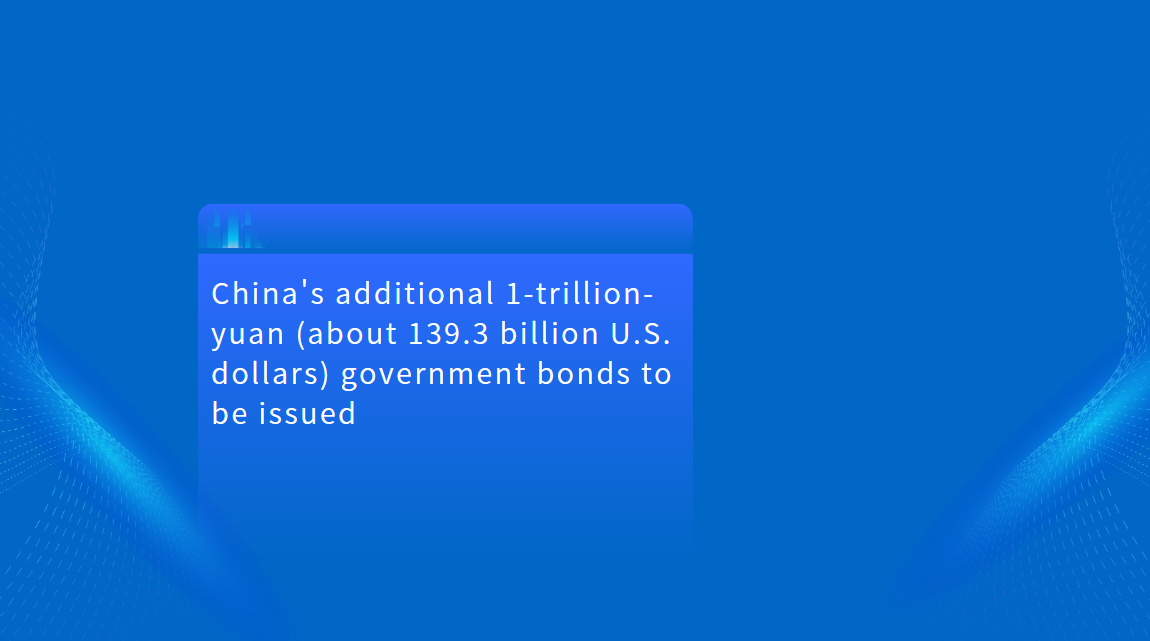
China sets deficit-to-GDP ratio at 4% in 2026, with total new government debt reaching 11.89 trillion yuan (approx. US$1.74 trillion).
1.3 trillion yuan of ultra-long special treasury bonds will be issued, half for major national strategy projects and equipment upgrades, and half for consumer goods trade-ins.
GDP growth is projected at 4.5-5% in real terms, with nominal GDP growth in the same range.
Facing a weakening global economy and rising geopolitical risks, Beijing has set its budget deficit at 4% of GDP – a noticeable step up – freeing up 5.89 trillion yuan (US$860bn) in government spending. Total new government debt, including off‑budget items, is expected to hit roughly 11.89 trillion yuan (US$1.74tn).
The message is simple: fiscal policy, not monetary easing, will carry the load.
What the 2026 budget delivers
The centrepiece is a 1.3 trillion yuan issuance of ultra‑long special treasury bonds. Of that, 800bn yuan goes to major national strategy projects, 250bn yuan to equipment upgrades, and another 250bn yuan to consumer goods trade‑ins. Separately, 300bn yuan in special bonds will help recapitalise large state‑owned banks, while 4.4 trillion yuan in local government special bonds will fund infrastructure and public services.
Taken together, the broad deficit – which includes these off‑balance sheet instruments – comes to about 8.1% of GDP. That is a meaningful fiscal push by any measure.
Two engines: investment and consumption, not property
Manufacturing investment, after a soft patch, is expected to recover to 3‑5% growth this year. Infrastructure spending could rise 4.5‑5%, helped by urban renewal and a push to bring private capital in. Overall fixed‑asset investment (excluding rural households) is projected to grow 2%, contributing roughly a quarter of GDP growth.
Meanwhile, the property market – a long‑time drag – may finally be bottoming out. The government is shifting toward removing purchase restrictions, optimising housing policies in major cities, and stabilising developers. Special bonds to buy unsold homes and idle land could total 200‑300bn yuan. More mortgage rate cuts are likely. The result: property’s drag on the economy should narrow.
Consumption still lags behind developed countries by 10 to 30 percentage points of GDP – a gap Beijing sees as an opportunity. A 100bn yuan fiscal‑financial coordination fund, trade‑in subsidies, and even childbirth subsidies are meant to nudge households to spend more. An extra public holiday this year – 33 days in total – could generate an estimated 250‑300bn yuan in extra spending on travel, dining and hotels. Retail sales are forecast to rise about 4% in 2026.
What this means for markets
For foreign investors holding Chinese bonds, the large supply of new government debt is a double‑edged sword: more paper to absorb, but also a clear signal that the authorities are backstopping demand. For equity investors, the upside lies in manufacturing, AI‑related infrastructure, and consumption – not real estate.
Monetary policy is playing a supporting role. Total social financing is projected to reach about 38 trillion yuan (up 8.6%), new loans above 17 trillion yuan, and M2 growth around 8.4%. No flood, but enough to keep credit flowing.
China’s GDP is still on track to grow 4.5‑5% this year, in real terms. That is not a boom – but in a rough global environment, it is a deliberate, defensible number.








































First, please LoginComment After ~