





EU Investment Curbs Highlight Global Focus on Market Oversight as China Tightens Domestic Regulation
This article contains AI assisted creative content
The European Commission’s proposed Industrial Accelerator Act, which would restrict foreign investment in strategic sectors such as batteries, electric vehicles, and critical raw materials, has put global capital markets on notice. While the EU seeks to prioritize “Made in EU” goods and impose local content and employment requirements on foreign investors, China is taking a complementary but distinct path—enhancing domestic market oversight and refining its regulatory framework for high-frequency trading.
In China, regulators are pursuing a parallel focus on market integrity and risk management. The Supreme People’s Court reported that in 2025, Chinese courts concluded roughly 25,000 cases involving securities, futures, and funds—a 53.6% increase over 2024—covering fraudulent issuance, market manipulation, and financial forgery. The China Securities Regulatory Commission (CSRC) has intensified cross-market risk monitoring, aiming to prevent contagion between spot and futures markets and across borders, while consolidating strategic reserves and enhancing market stabilization mechanisms.
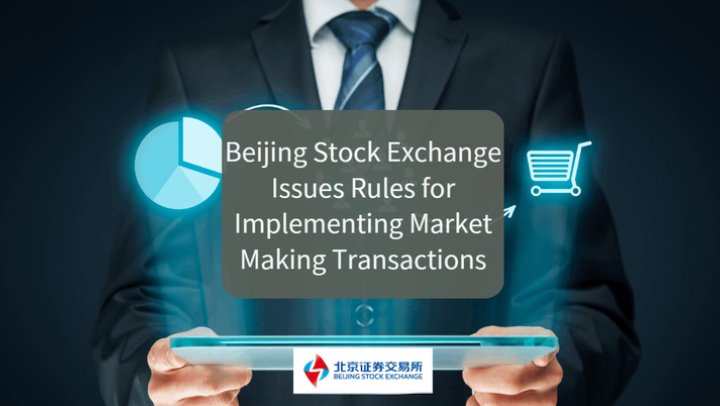
High-frequency and quantitative trading have become a particular regulatory focus. New CSRC guidance emphasizes fairness, algorithmic transparency, and compliance with trading norms. Measures include stricter approval for high-frequency trading systems, real-time monitoring of order flows, and enhanced coordination with exchanges to identify anomalous trading patterns. These steps are designed to mitigate systemic risk and ensure orderly market functioning amid growing algorithmic activity.
For international investors, the contrast with EU-style investment restrictions illustrates different approaches to shaping market environments: one protective and prescriptive, the other regulatory and enforcement-driven, with emphasis on domestic market stability, sophisticated surveillance, and technological oversight.



































First, please LoginComment After ~