





Guangdong in 2026: Why Capital Is Paying Attention
This article contains AI assisted creative content
In southern China, Guangdong enters 2026 with a tone that is notably restrained—but quietly confident. While headline growth targets remain moderate, the deeper signal lies elsewhere: in capital flows, industrial depth, and the province’s role as a long-term operating base for global companies.
This is less a story about speed, and more about staying power.
Few numbers speak as clearly as commitment. In 2025, Guangdong welcomed more than 36,000 newly established foreign-funded enterprises, a year-on-year increase of nearly 40 percent. Actual utilized foreign capital rose over 11 percent, reaching more than 112 billion yuan.
Large-scale projects continued to anchor this momentum. Integrated chemical and advanced manufacturing investments—each measured in the tens of billions of yuan—moved steadily from planning into execution. These are not speculative inflows. They are capital-intensive, long-horizon bets on Guangdong as a production, logistics, and innovation hub.
Equally telling is the structure of incoming investment. Beyond greenfield projects, policymakers are prioritizing reinvestment and localization, encouraging multinational firms to deepen existing footprints rather than simply expand outward.
TWO
Against this backdrop, Guangdong's 2026 GDP growth target of 4.5 to 5 percent appears deliberately calibrated. The figure reflects realism rather than caution—acknowledging global uncertainty while emphasizing quality over acceleration.
With total GDP already exceeding 14.5 trillion yuan, the province is operating at a scale where marginal growth must be earned through productivity, not volume. For investors, this matters: disciplined growth targets often correlate with policy consistency and execution focus, both critical for long-term capital deployment.
THREE
Industry remains Guangdong’s economic backbone, but its character is evolving. Thousands of industrial firms have undergone technological renovation and digital upgrading, pushing automation, energy efficiency, and process intelligence deeper into traditional manufacturing.
The results are measurable. Output of industrial robots and service robots now accounts for a dominant share of national production. In parallel, emerging sectors—from advanced materials to low-altitude aviation systems—are moving from pilot phases into scalable ecosystems.
This combination of industrial density and continuous upgrading reinforces Guangdong’s appeal: not as a low-cost base, but as a high-capability manufacturing platform.
FOUR
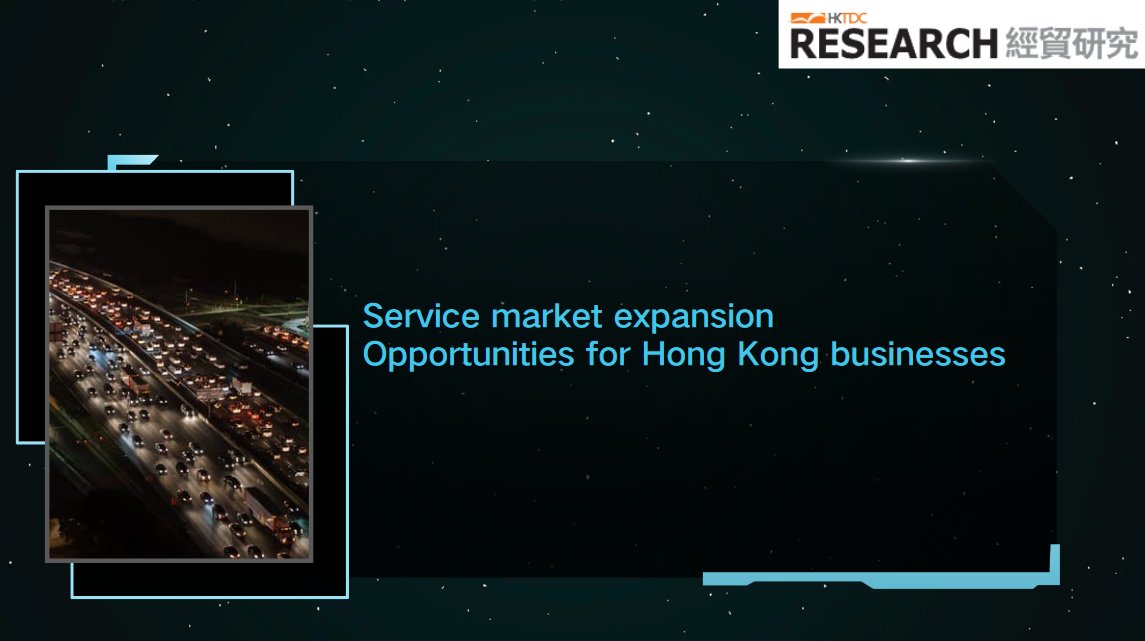
Beyond factories and figures, attention is shifting to the operating environment itself. Guangdong is expanding high-standard, full-chain services for international businesses—covering mobility, payments, language access, and daily commercial life.
The objective is practical rather than promotional: reducing friction for executives, engineers, and investors who treat Guangdong not as a temporary destination, but as a long-term base. In an era when capital values predictability as much as return, these details carry weight.































First, please LoginComment After ~