





Georgian Railway Modernization: A Fiscal and Credit Milestone Along the Belt and Road
This article contains AI assisted creative content
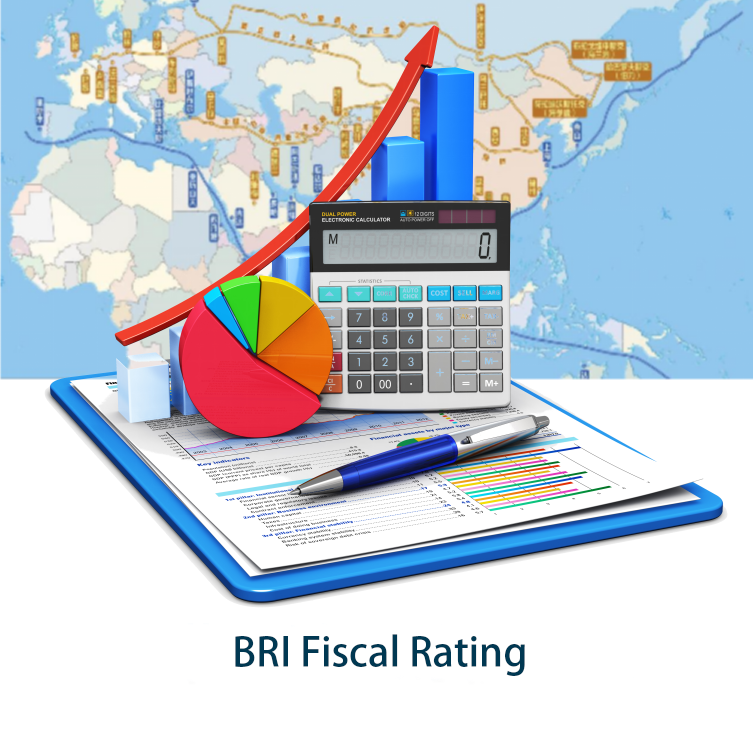
On December 25, 2025, the Georgian Railway Modernization Project, executed by China Railway 23rd Bureau Group Co., Ltd., was officially inaugurated, marking a defining moment not only for Georgia’s transport infrastructure but also for its fiscal and investment profile within the Belt and Road Initiative. While headlines have emphasized the operational start and enhanced connectivity between Asia and Europe, the project carries subtler yet profound implications for Georgia’s fiscal standing and external rating perceptions.
By modernizing a pivotal segment of the east‑west railway corridor, Georgia positions itself to capture additional revenue streams from freight handling, customs charges, and ancillary logistics activities. These structural enhancements translate into a more predictable and diversified fiscal inflow, reinforcing budgetary stability and signaling prudent financial management to international investors. The very act of completing a complex, high‑visibility infrastructure project in line with transnational standards speaks to policy continuity and effective governance—factors that rating agencies often weigh when assessing sovereign or sectoral risk.
Moreover, the integration of this railway into broader Belt and Road corridors exemplifies Georgia’s commitment to predictable regulatory and operational frameworks. While specific fiscal incentives or taxation measures linked to the project remain undisclosed, the mere presence of internationally financed and executed infrastructure strengthens perceptions of Georgia as a reliable, investment‑friendly jurisdiction. The modernization thus serves as a tangible signal of the country’s alignment with global economic norms, which, over time, can influence both external sovereign ratings and sectoral evaluations, offering reassurance to Belt and Road investors.
In essence, the Georgian Railway Modernization Project transcends its physical dimensions. It embodies a strategic melding of infrastructure development, fiscal foresight, and regulatory reliability, highlighting how Belt and Road initiatives can subtly but decisively shape perceptions of financial resilience and investment quality in participating countries.

































First, please LoginComment After ~